|
|
|
|
|
|
|
|
|
|
|
|
|
|
|
|
|
|
|
|
|
|
|
Things to see and do when you travel to Greve in Chianti and visit the surrounding area of Tuscany |
|
|
The area of Chianti around Greve provides an endless range of interesting things to see and do. For those interested in architecture and history - or simply picturesque views - the main sights in the area of Chianti to the east of Greve among the Chianti hills and the slopes of the Val d'Arno are the innumerable castles and tower houses. To the west of Greve, the Badia a Passignano is one of the most interesting things to see.
The vineyards that surround Greve on every side are also packed with things to see and do, especially those attached to the important villas and castles dotted along both east and west slopes of the valley of the Greve stream: Vicchiomaggio, Verrazzano, Uzzano, Colognole, Montefioralle, Vignamaggio and several others.
For those who like open air markets, both Greve and Panzano have weekly markets, and there are numerous annual fairs and events taking place in both Greve in Chianti and in Panzano in Chianti.
If you have time to seek them out, the Chianti area supports an interesting range of wildlife, both terrestrial and aquatic, and of wild flowers, orchids and funghi. |
|
|
|
|
|
Chianti Museums There are several attractive art and history "boutique" museums scattered around the Chianti territory. Although most of then don't warrent a special trip, they are definitely worth a visit if you are in the area, both for what they have on display and for the buldings in which they are housed. In Greve, there is the San Francesco Museum of Sacred Art, located 5 minutes from Piazza Matteotti. More about Chianti Museums. |
|
|
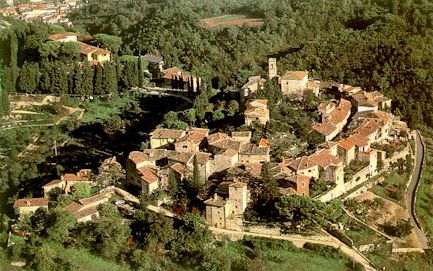
Visit the fortified mediaeval village of Montefioralle, a 20 minute up-hill walk from Greve.
More about Montefioralle. |
|
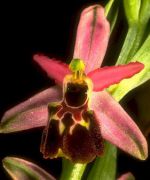
Orchids in Tuscany? Oh yes there are - more than 40 species!
More about orchids in Tuscany. |
|
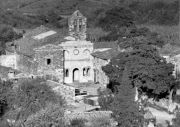
Visit the 10 C Pieve di San Cresci - a pleasant stroll through the vineyards from Greve.
More about the Pieve di San Cresci. |
|
|
The Chianti Castles route |
|
|
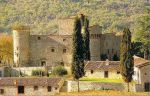
The comune of Gaiole has prepared six Castles of Chianti itineraries
for visitors who wish to view, and in many cases visit, the castles,
fortified farm houses and walled abbeys in the area around Gaiole. |
|
|
Tuscan wildlife and domestic animals |
|
|
|
|
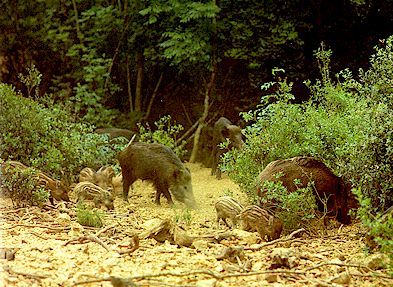
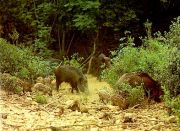
Wild boar - cinghiali, in Italian. These are very common but seen mostly at night. The adults are dark grey in colour but the young are striped - grouped, they evoke a soccer team. As the grapes ripen, boar come down from the hills to eat them. They can be incredibly destructive. At about 9 pm on a clear night last year, I heard a boar tearing a vine down, the sound of its chops clunking together with relish clearly audible across the valley. One boar can rip through a row of vines in a matter of minutes. Boar meat is served in restaurants during the hunting season and wild boar salami is available year round. |
|
|
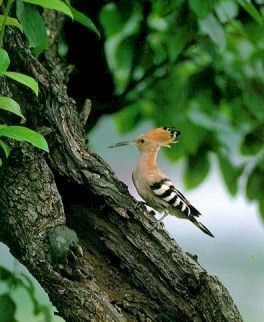
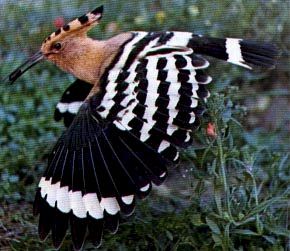
Hoopoe - upupa, in Italian. This bird is not common but you can usually count on seeing one or more during a half day walk through the country during summer. I find them incredibly attractive, not just in appearance but in their "busy" behaviour. They prefer being on the ground but are spectacularly beautiful in flight.
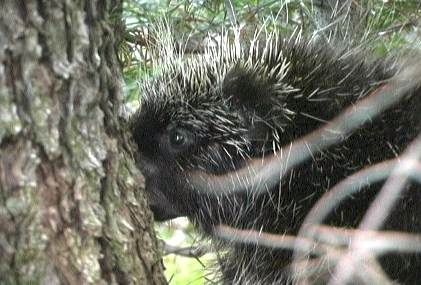
Porcupine - porcospino, in Italian. Quite common but, since they are nocturnal, not often seen other than in car headlights. No brains.
|
|
|
|
|
|
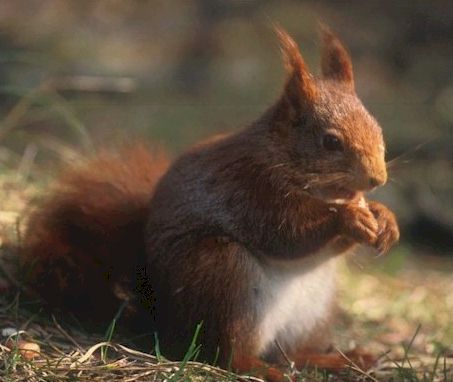
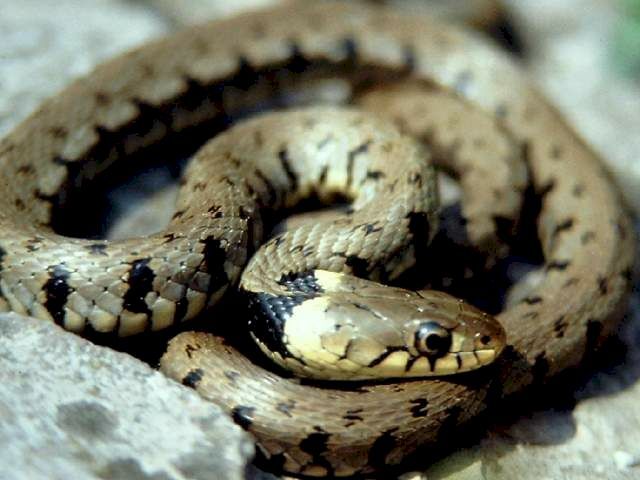
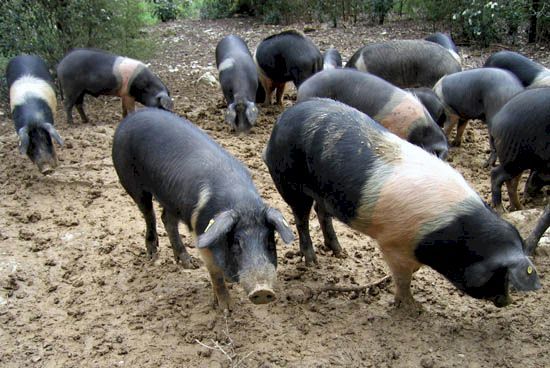
The Italian red squirrel is under threat of displacement by the introduced grey squirrel. I have seen these extremely shy animals walking along the horizontal branches in a row of cypresses outside my bedroom window, usually at about 7 am in summer, but never on the ground. Grass snakes are extremely common, harmless and polymorphous, ranging from almost black to predominantly green and yellow in colour. The Cinta Senese pig is the only native Tuscan breed to be saved from extinction. It is a free range animal with an excellently flavoured meat.
Click the link for some examples of riverine fauna of the Val di Greve and the Val d'Elsa. |
|
|
|
|
|
|
|
|
|
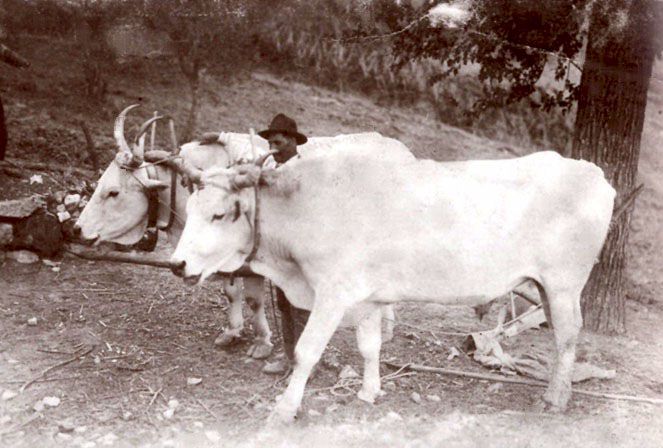
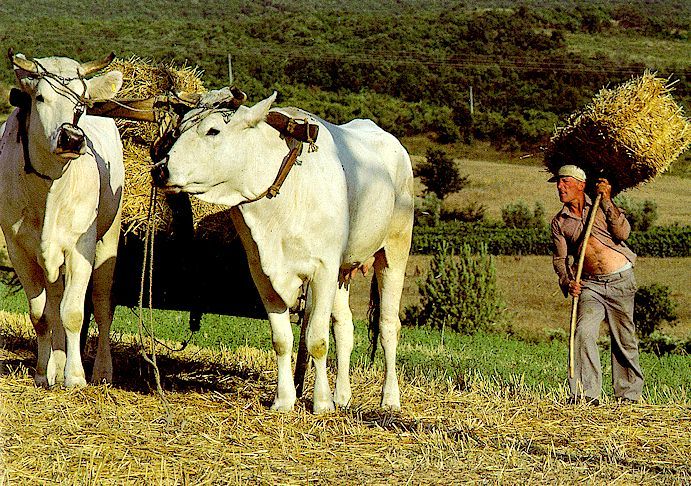
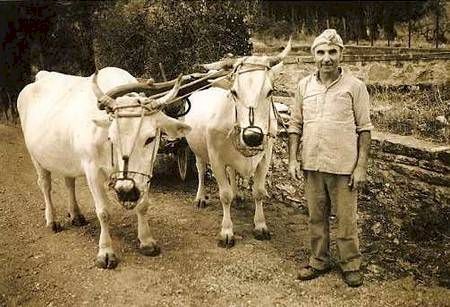
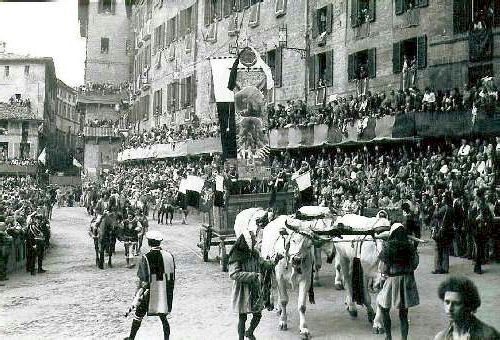
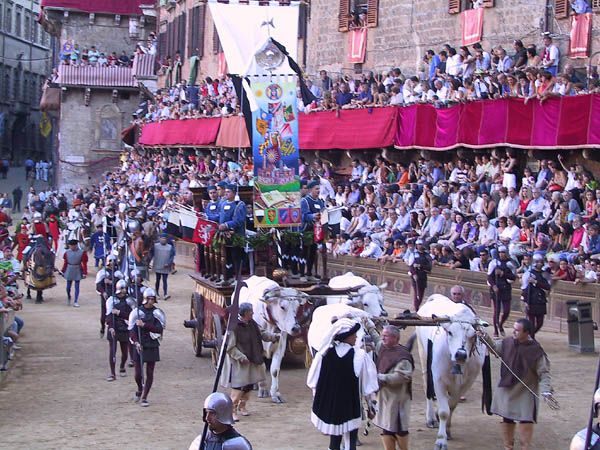
As little as thirty years ago, white Chianina oxen - buoi, in Italian in use as beasts of burden, usually pulling ploughs, were a common sight in Tuscany. They have been replaced completely by caterpillar tractors. Two spectacular pairs make a cameo appearance pulling the cart in the procession that precedes the palio in Siena (below). |
|
|
|
|
|
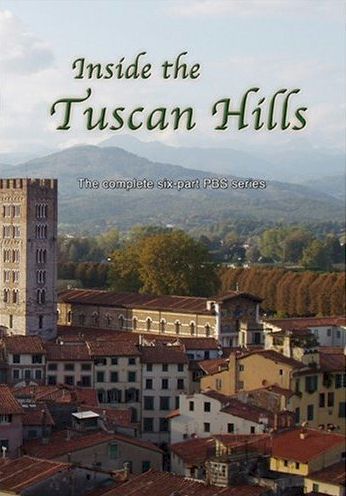
Inside the Tuscan Hills - 2 DVDsThis PBS documentary series beautifully presents a journey into the vineyards, workshops, kitchens and homes of the Tuscan people. The six 26-minute episodes of "Inside the Tuscan Hills" will take you deep into the rich culture of rural Tuscany. The series REALLY reflects the way of life for people who live in Tuscany. There are some great secrets and tips included. You will meet master chefs, shoemakers, mosaic artists, ceramic painters, coppersmiths and many others. Chefs open their kitchen doors and demonstrate the preparation of hand-rolled pasta, wine-bathed steak, Tuscan roast pork and many other mouth-watering local dishes. Highlights include a cross-bow contest held in Renaissance costumes, a visit to the hot-springs of Saturnia, the traditional wine harvest at a castle in Chianti. This DVD is an excellent eye-opener that provides a perfect preparation for your visit here.
|
|
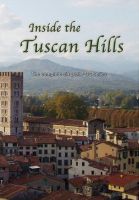
Click the image for a larger view. |
|
|
|
|
|
|
|
|
|
|
|
|
|
|
|
|
|
|
|
|
|
|
|
|
|
|
|
|
|
|